Before You Arrive

Some stories are worth discovering before the journey begins.

Yunnan is more than its landscapes. Its mountains, villages, traditions and people carry stories that are worth understanding. A little reading and watching before your journey can make the experience even more meaningful.

Books & Literature

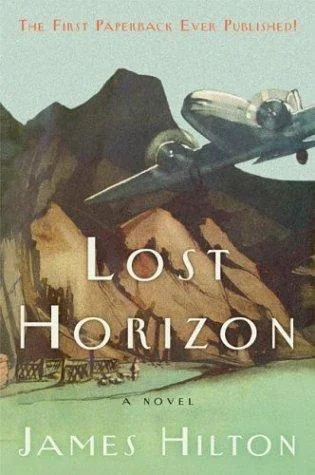
Cover of Lost Horizon by James Hilton

Lost Horizon

James Hilton · 1933

A plane crash leads a group of travellers to a secluded Himalayan valley. Hilton’s novel gave the world the fictional Shangri-La and the idea of a mountain refuge where time seems to move differently.

Why We Recommend It Reading the novel before visiting Shangri-La gives you a sense of the place the name calls to mind and leaves room to discover the city’s own history and Tibetan culture.

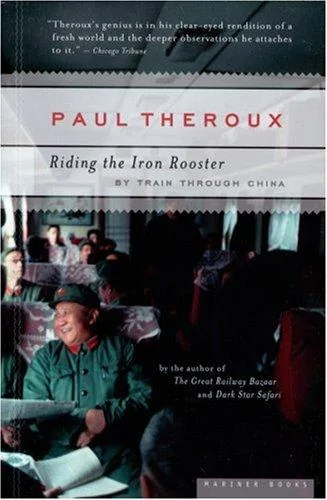
Cover of Riding the Iron Rooster by Paul Theroux

Riding the Iron Rooster

Paul Theroux · 1988

In this travelogue, Theroux encounters China through its railways, taking in regional landscapes and the everyday conversations of people travelling alongside him.

Why We Recommend It It’s a window onto China in the 1980s and a reminder of how much a journey can reveal when you pay attention to the time between stops.

Films & Documentaries

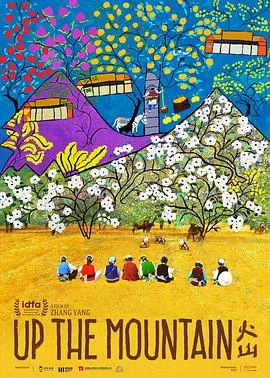
Festival poster for Up the Mountain by Zhang Yang

Up the Mountain (Huo Shan)

Directed by Zhang Yang · 2018 · 127 minutes

Set in a remote mountain village in Dali, Yunnan, this documentary follows an artist who establishes an art school for local women.

Through everyday life, traditional surroundings and the creativity of its residents, the film offers a quiet and intimate portrait of rural Yunnan.

Why We Recommend It A different perspective on Yunnan, beyond its famous landscapes and tourist towns.

Read about the festival selection

People & Cultures

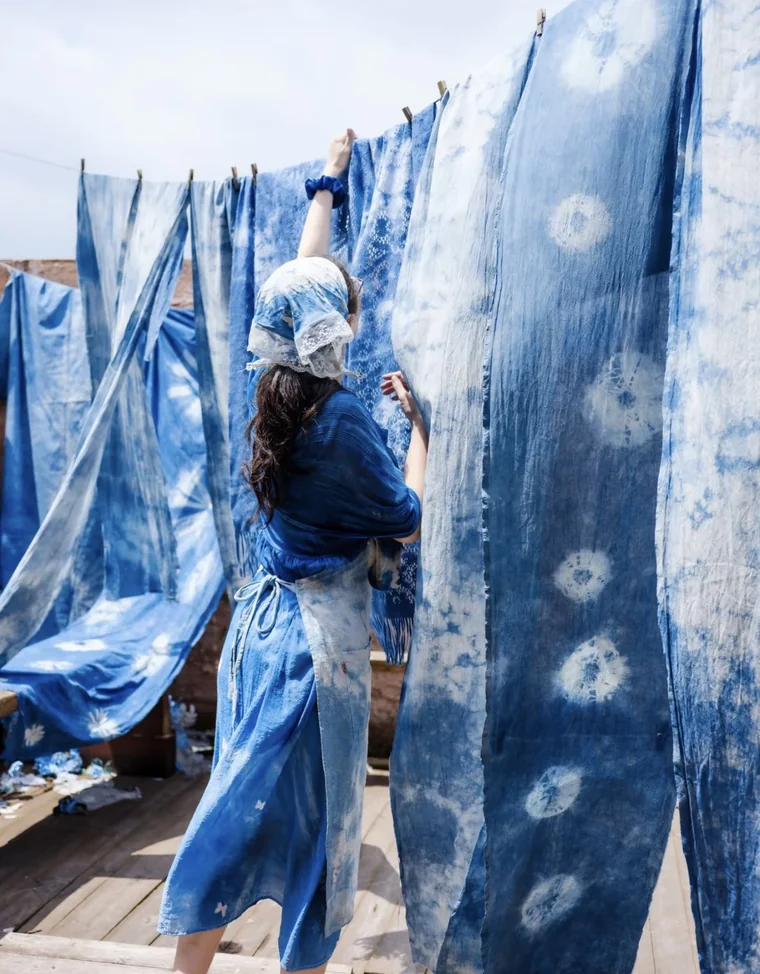
Bai tie-dye in Zhoucheng near Dali

Bai People

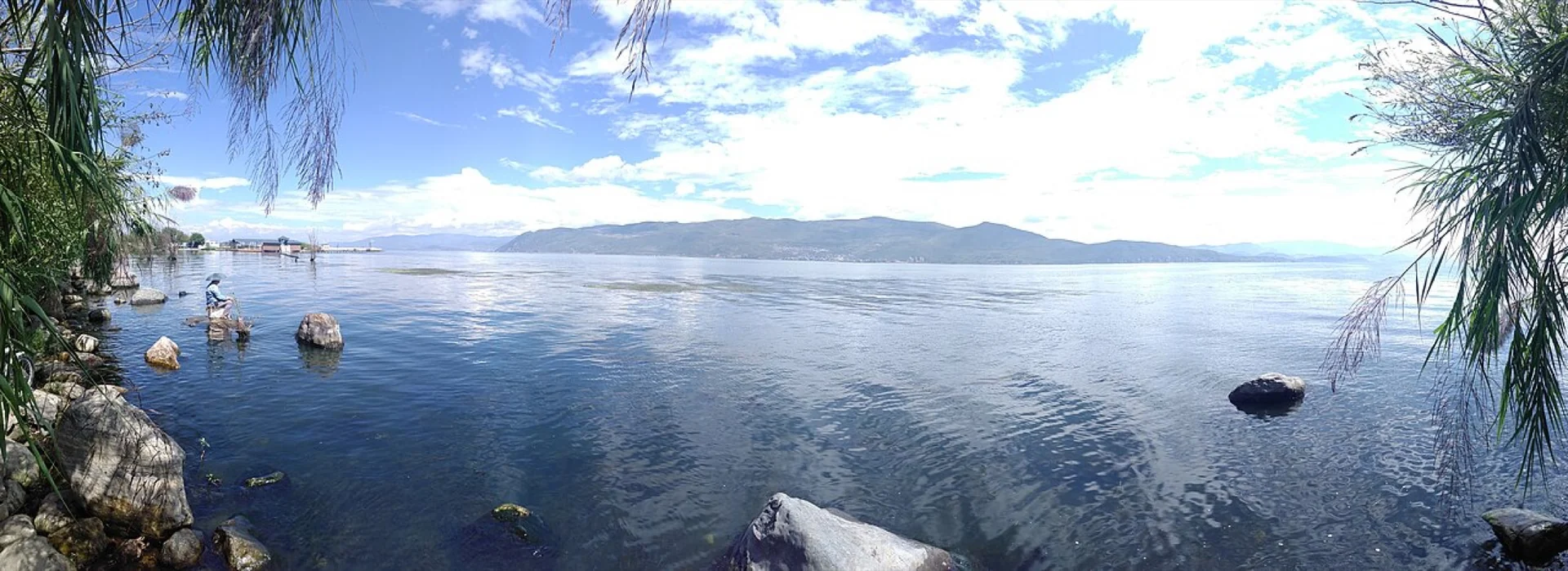
Around Dali and Erhai Lake, Bai communities are known for courtyard architecture, market towns and textile traditions.

Learn More

In Zhoucheng, practitioners tie or stitch selected parts of cloth before dyeing it. Around the lake, you can also look for whitewashed courtyards and painted details on village houses.

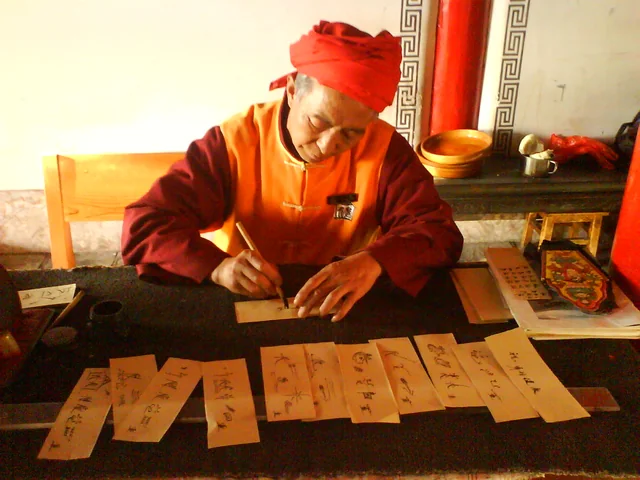
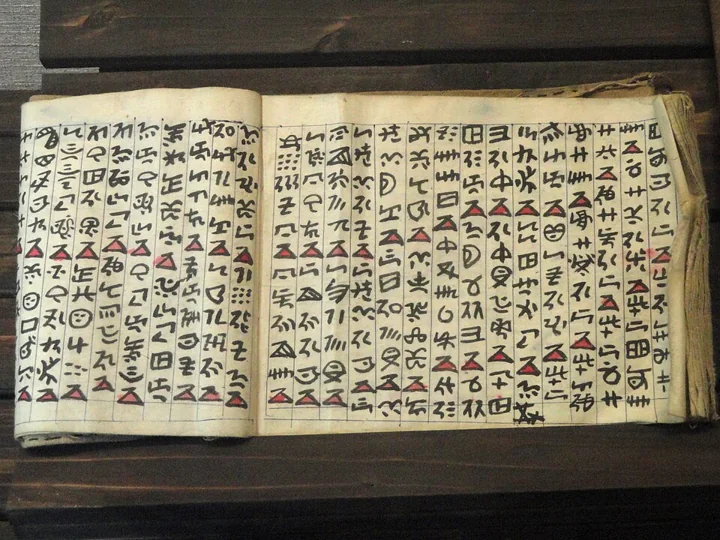
Dongba pictographic writing in Lijiang

Naxi People

Lijiang is a historic centre of Naxi culture, with traditions that include Dongba pictographic writing, ritual and music.

Learn More

Baisha offers a chance to learn about the Dongba script and see how local history is recorded in manuscripts, art and architecture. Dongba writing has a particular connection to religious practice.

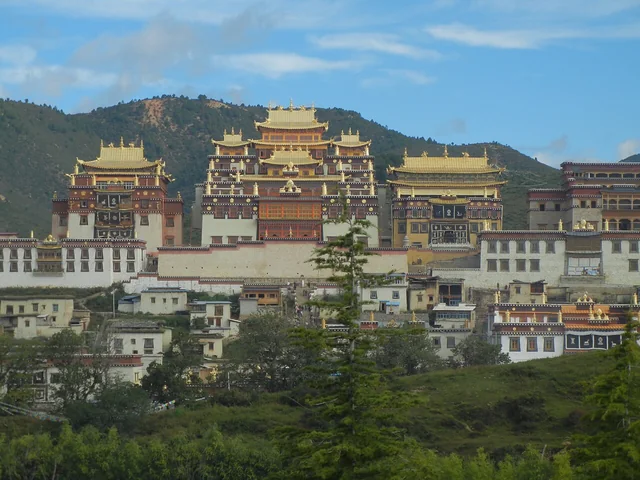
Songzanlin Monastery in Shangri-La

Tibetan Communities

In northwestern Yunnan, Tibetan communities are part of the region’s highland farming, trade and Buddhist traditions.

Learn More

Visit monasteries with a local guide to understand what is open to visitors. Ask before photographing people or ceremonies, and follow posted guidance in places of worship.

A manuscript in Yi script at the Yunnan Nationalities Museum

Yi People

Yi communities across Yunnan include many local traditions, languages and forms of dress.

Learn More

Yi writing has long been used to record ritual knowledge and oral traditions. Museum collections can help explain how these scripts and local customs vary across communities.

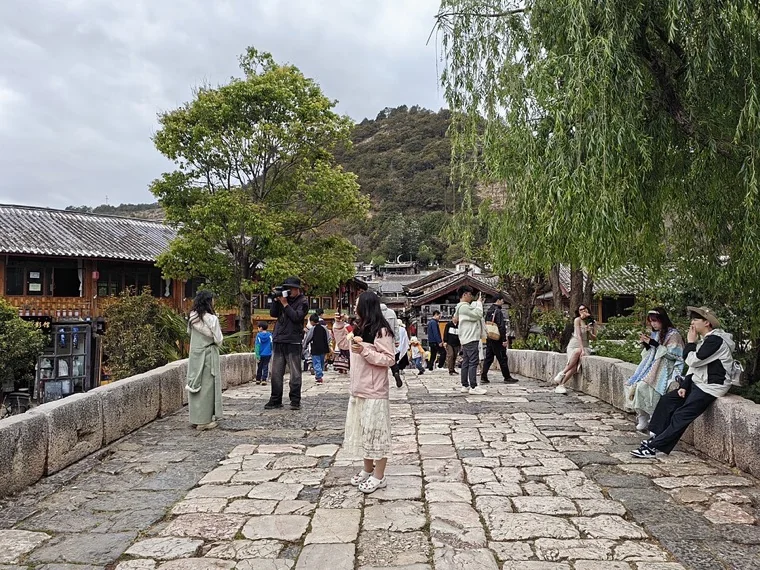
Shuhe Old Town, a historic stop on the Tea Horse Road

Yunnan’s Tea Horse Road

An old network of caravan routes carried tea and other goods between Yunnan, the Tibetan Plateau and neighbouring areas.

Learn More

Shuhe, near Lijiang, grew around caravan trade. Its lanes and bridges offer a way to picture how pack animals, merchants and goods moved through the region.

Read the UNESCO overview

History & Context

Understanding Yunnan’s Geography

High plateaus, deep river valleys and tropical lowlands sit within the same province.

Learn More

Yunnan rises toward the Tibetan Plateau in the northwest and descends toward Southeast Asia in the south. Altitude can change over short distances, which explains why a single trip can take you through very different landscapes and climates.

A Brief History of the Tea Horse Road

Tea moved north through mountain corridors that connected farms, towns and trading posts.

Learn More

Across centuries, caravans carried tea, salt and other goods along different routes. The trading network also helped circulate beliefs, languages and ideas. Places such as Shuhe preserve traces of that exchange.

Ethnic Diversity in Yunnan

Neighbouring valleys can have different languages, festivals and traditions.

Learn More

A community’s dress or architecture may vary by village, generation and occasion. Ask your host how people describe their own community and which customs still shape everyday life.

Buddhism and Tibetan Culture

Monasteries, pilgrimage routes and household practices each help explain Tibetan Buddhism in northwestern Yunnan.

Learn More

Songzanlin Monastery is a starting point for learning about monastic life. Temple murals, prayer wheels and pilgrimage paths are also part of the living landscape. Visiting customs vary by site.

What Makes Yunnan Different from the Rest of China?

Yunnan’s location and geography have helped shape distinct foodways and connections with its neighbours.

Learn More

Trade between the Tibetan Plateau and mainland Southeast Asia has crossed Yunnan for centuries. From tea in the south to highland barley in the northwest, food and farming reflect the province’s varied terrain and trading relationships.
Collection image credits